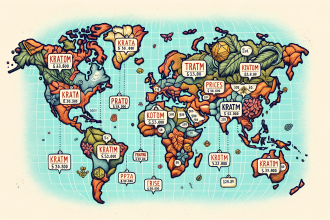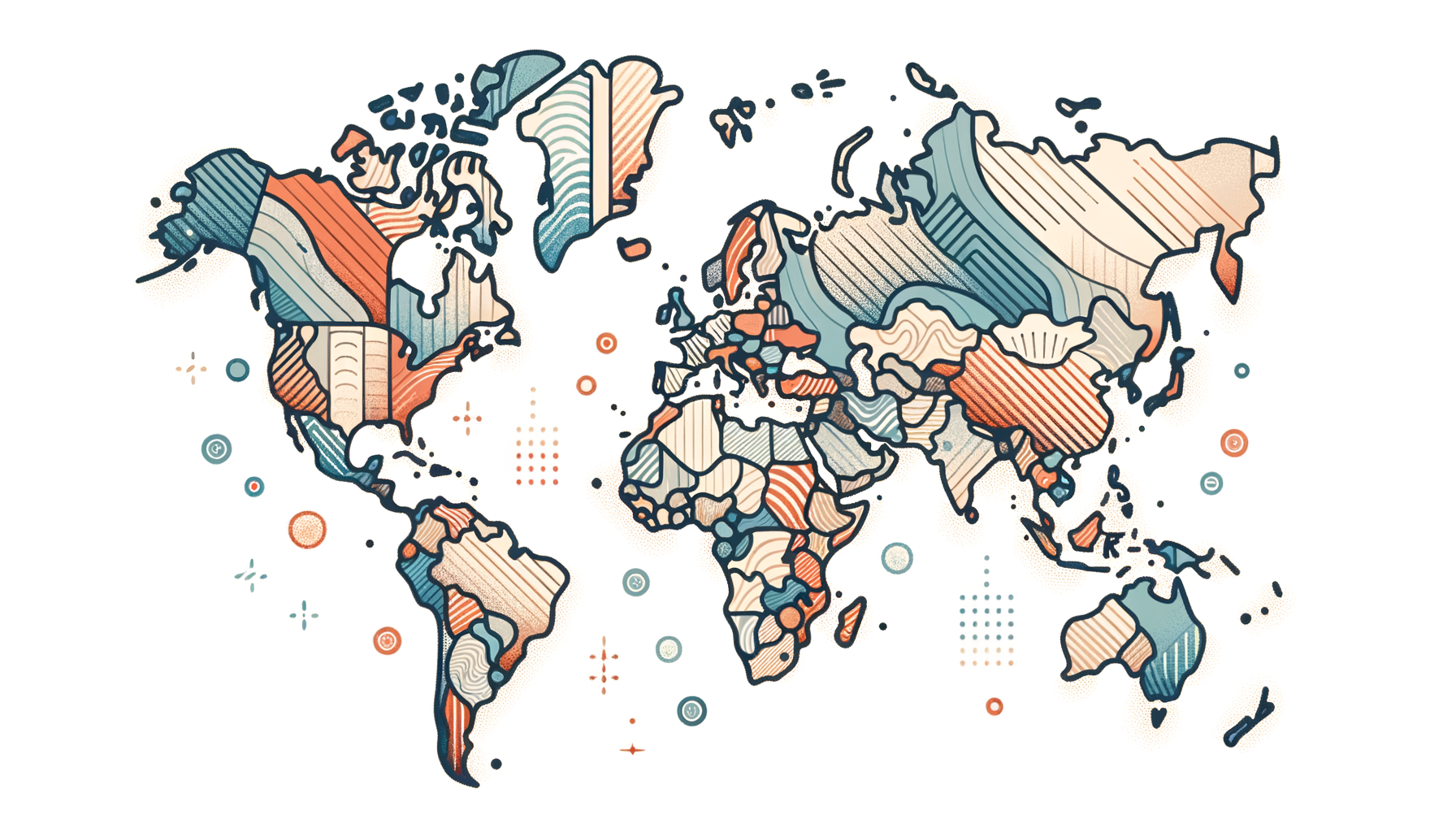
MDMA, or 3,4-methylenedioxymethamphetamine, is a synthetic psychoactive substance that has garnered significant attention and discussion across many countries. Its use is shaped by various factors, including street markets, harm-reduction communities, and emerging medical research, all of which contribute to the public conversation surrounding this substance. The price points for MDMA vary widely by region, influenced by factors such as purity, local enforcement, and the dynamics of supply and demand. While specifics regarding pricing can change constantly due to market fluctuations, general patterns are observable: in regions where established supply chains exist and demand is high, unit prices tend to be lower. Conversely, in areas characterized by stricter enforcement or limited supply, prices often rise significantly. In Europe, for instance, large-scale production and established distribution networks frequently lead to more consistent availability and competitive pricing. Countries like the Netherlands, known for their progressive drug policies and harm-reduction strategies, often see lower prices and higher quality MDMA due to the regulated nature of the market. In contrast, parts of Latin America or remote regions may experience higher prices and greater variability in quality, as the supply chains are less developed and enforcement can be more stringent. In North America, the prices and availability of MDMA can differ dramatically between urban centers and rural areas. Urban environments, particularly those with vibrant nightlife, music festivals, and university populations, tend to have higher demand, which can lead to lower prices and more consistent availability. However, in rural areas, where access to such events is limited, prices may be higher, and the quality of the substance can be more unpredictable. The cultural context surrounding MDMA use also plays a significant role in shaping how people consume the substance. In places such as the Netherlands and parts of Western Europe, longstanding drug cultures and established harm-reduction infrastructures influence both consumption patterns and market operations. Users in these regions often have access to testing services, educational resources, and community support, which can lead to safer consumption practices. In contrast, in countries where MDMA remains illegal and where there are no harm-reduction policies in place, users may face higher legal risks, which can affect how openly markets and communities discuss pricing and quality. In these contexts, clandestine use with little safety infrastructure is more common, leading to increased risks associated with consumption. Conversations about “how people use it” must also distinguish between recreational contexts—such as clubbing, festivals, parties, and private social settings—and therapeutic or experimental settings. In recent years, clinical trials and supervised therapy sessions have explored MDMA’s potential for treating conditions like PTSD and other mental health disorders. These therapeutic contexts often involve controlled environments where dosage and purity are closely monitored, contrasting sharply with the recreational use that often occurs in less regulated settings. Usage patterns are heavily influenced by social norms, peer networks, and public health messaging. In some regions, users commonly emphasize the importance of test-kits, dosing awareness, and the presence of sober sitters to ensure safety during consumption. In other areas, however, the lack of such resources can lead to risky behaviors and a higher likelihood of adverse effects. Discussions of price and usage inevitably intersect with public policy; jurisdictions that are moving toward regulated frameworks or that are engaging in medical research tend to generate safer-use practices and better access to testing and information. For those researching costs and use patterns, it is crucial to rely on reputable public health reports, academic studies, and harm-reduction organizations rather than anonymous online sources. These reputable sources offer contextualized, non-actionable information about trends, harms, and interventions without facilitating illegal procurement. Advocating for evidence-based policy, expanded research, and decriminalization or regulated markets is a constructive approach to reducing harms and stabilizing markets. Such measures ensure that public health, rather than illicit profit and unsafe supply chains, shapes outcomes. By fostering an environment where MDMA can be studied and understood within a scientific framework, we can better address the complexities surrounding its use and the associated risks.
If someone is seeking guidance related to acquiring MDMA, I cannot assist with instructions or methods for buying illegal drugs, but I can offer safer, legally compliant alternatives and practical harm-reduction information. Consider participating in or supporting clinical trials and medical research in jurisdictions where MDMA is being studied legally; such trials provide regulated, quality-controlled access under medical supervision while contributing to scientific understanding and potential therapeutic approvals. Support and engage with harm-reduction organizations and community drug-checking services that provide information on purity trends, testing services, and safe-use education. These organizations play a vital role in the landscape of drug use by collecting data that helps map local price and purity trends without promoting illegal transactions. They often offer educational resources that empower users to make informed decisions about their consumption, emphasizing the importance of safety and awareness. If you are in a place with ongoing policy reform discussions, get involved in advocacy for legalization, regulation, or decriminalization—policies that have shown promise in shifting markets away from dangerous black-market dynamics and toward regulated frameworks that prioritize safety, quality control, and public health. Engaging in advocacy can take many forms, from participating in community discussions to supporting organizations that work toward policy change. Practical safety measures for people who choose to use include testing substances with reagent or lab-testing services where available, avoiding mixing MDMA with alcohol or other depressants, ensuring a sober and trusted person is present, pacing intake to avoid overheating and dehydration, and seeking medical attention promptly if severe adverse effects occur. These are general harm-reduction principles and do not replace professional medical advice. Emphasizing policy change and medical research is positive and pragmatic: regulated access, standardized quality, and integrated health services reduce harms, stabilize prices, and make consumption contexts safer for communities. For current, region-specific information on prevalence, price trends, and safe-use resources, consult national drug observatories, peer-reviewed studies, and established harm-reduction groups rather than forums offering procurement advice. By prioritizing safety and informed decision-making, we can work toward a more responsible approach to MDMA use that benefits individuals and communities alike.