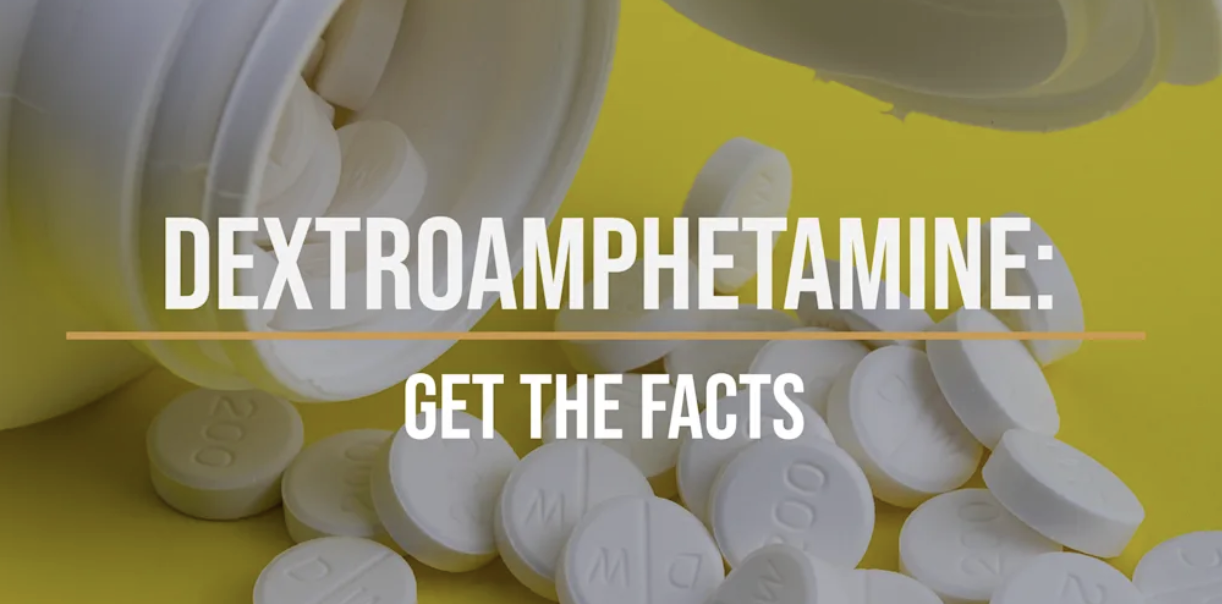
Dextroamphetamine is a prescription stimulant medication that plays a crucial role in the treatment of attention-deficit/hyperactivity disorder (ADHD) and narcolepsy. Its availability, legal status, common uses, and street prices vary widely around the world, reflecting the diverse healthcare systems and regulatory environments of different countries.
Tightly regulated prescription medicines
In many high-income countries such as the United States, Canada, the United Kingdom, Australia, and much of Western Europe, Dextroamphetamine and related amphetamine formulations are tightly regulated prescription medicines. This regulation is primarily due to the potential for misuse and dependence associated with stimulant medications. As a result, retail pharmacy prices for Dextroamphetamine depend on several factors, including insurance coverage, national health systems, generic availability, and local dispensing fees. In the United States, for example, cash prices for branded formulations can be relatively high without insurance, often reaching hundreds of dollars per month. However, generic amphetamine salts tend to be far cheaper, making them more accessible for those without insurance. In countries with national health coverage or subsidies, patients often pay only a modest copay or nothing at all, significantly reducing the financial burden associated with obtaining these medications. Conversely, in lower- and middle-income countries, the medicine may be less consistently available through formal channels, which can lead to higher relative costs for those who do find it through private pharmacies or specialty clinics. The disparity in availability and pricing can create significant challenges for individuals seeking treatment in these regions. Across jurisdictions where Dextroamphetamine is controlled, illicit market prices reflect local demand, supply constraints, law enforcement pressure, and the presence of diverted prescription supplies. When legal access is limited, users sometimes turn to informal markets where prices are unpredictable, and product quality and safety are not guaranteed. This situation can lead to serious health risks, as individuals may not be able to ascertain the purity or dosage of the substances they acquire through these channels. The complexities of the global drug market highlight the importance of understanding local regulations and the potential consequences of seeking medications outside of established healthcare systems.
People use Dextroamphetamine
For clinically-approved purposes such as improving focus, reducing impulsivity, treating excessive daytime sleepiness, and managing certain depressive symptoms under medical supervision. However, patterns of use differ significantly by culture, healthcare infrastructure, and prescribing practices. In places with robust diagnostic frameworks and specialist care, usage tends to follow established guidelines, with regular monitoring, dose titration, and attention to side effects.
Use safely
Clinicians emphasize safe use, screening for cardiovascular risks, and preventing diversion, which is the illegal distribution of prescription medications. This careful approach is essential in ensuring that patients receive the maximum benefit from their treatment while minimizing the potential for adverse effects or misuse.In contrast, in regions where healthcare systems are less developed or where there is a stigma associated with mental health treatment, individuals may struggle to access appropriate care. This can lead to a reliance on informal sources or self-medication, which can be dangerous. For those seeking access to Dextroamphetamine, the safest and most responsible advice is to pursue legal medical pathways. This includes consulting a licensed clinician, discussing symptoms openly, obtaining appropriate diagnostic assessments, and, if prescribed, filling medications through accredited pharmacies or verified mail-order/telepharmacy services that comply with national regulations.
Where telemedicine is legally available, it can increase access to legitimate care and reduce reliance on informal sources. Telemedicine allows patients to consult with healthcare providers remotely, which can be particularly beneficial for those living in rural or underserved areas. However, patients should verify clinician credentials and ensure prescriptions are sent to licensed dispensaries to avoid potential scams or unsafe practices. Harm-reduction measures are important for anyone using stimulants, including Dextroamphetamine.
This includes following prescribed doses, avoiding mixing with other substances, being aware of interactions, monitoring cardiovascular and mental health, and seeking help if misuse or dependence develops. Advocates for drug policy reform often argue that regulated access, medical oversight, and decriminalization of personal use can reduce harms by bringing supply into transparent systems, improving quality control, lowering illicit market incentives, and expanding treatment and support services. These reforms can help create a safer environment for individuals who require stimulant medications for legitimate medical reasons. If you are researching prices or considering treatment, prioritize legal, evidence-based routes and local patient assistance programs. Explore generic options and insurance pathways to reduce costs, and engage with patient advocacy groups that promote safer access and sensible regulation. By doing so, you can ensure that you are making informed decisions about your health and well-being.