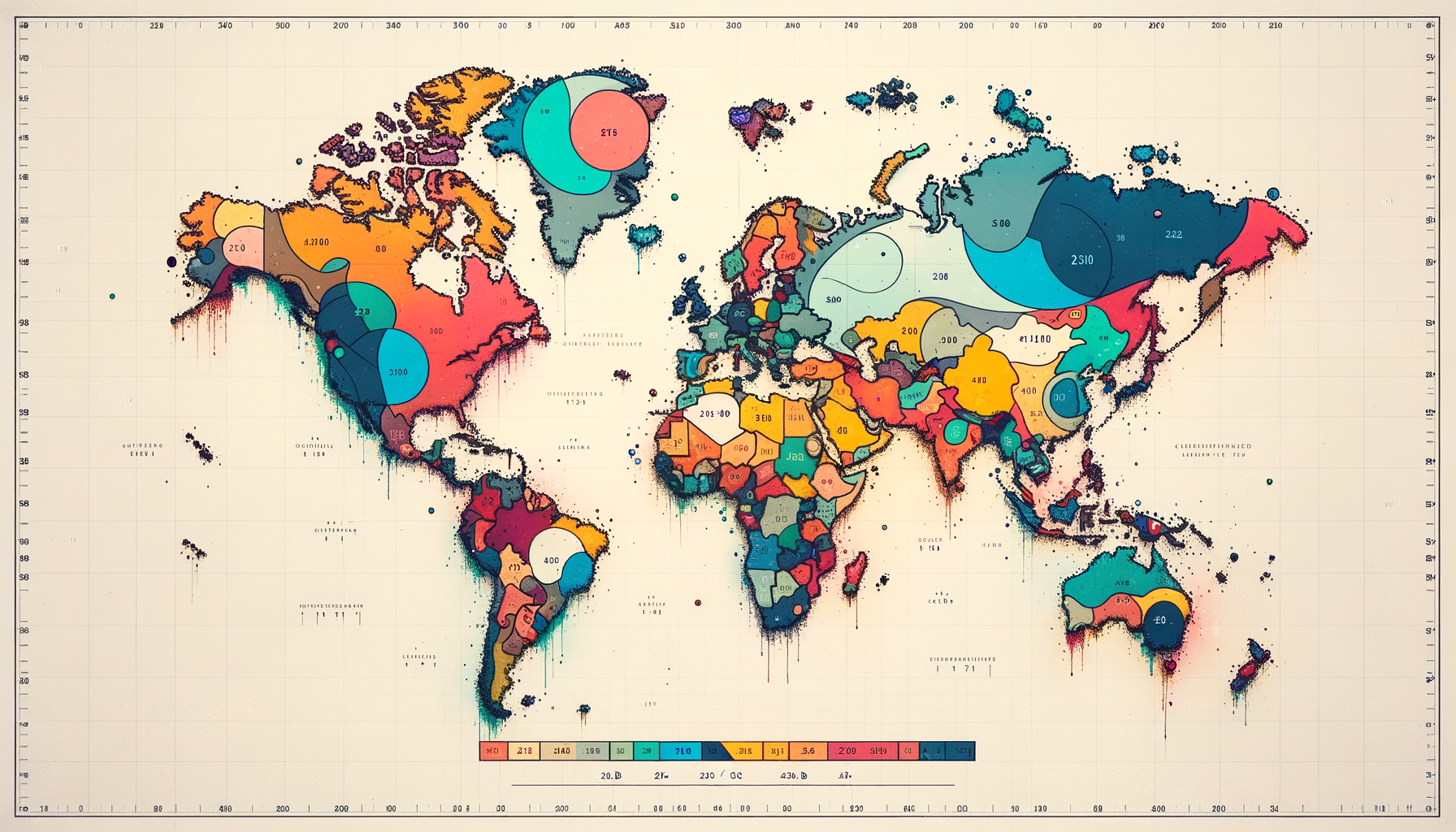
2C-B is a phenethylamine psychedelic that varies widely in price, availability, formulation, and patterns of use across different regions. Understanding these differences can help people make safer, more informed choices. In many countries where 2C-B is controlled or illegal, it is commonly found as powder, capsules, or small tablets. The market price reflects purity, legal risk, and local demand, which can fluctuate significantly based on various factors. In parts of Western Europe and North America, a typical street-level price for a single 10–20 mg dose can range broadly depending on local supply chains and law enforcement pressure. In some markets, the cost per milligram may be higher because substances are sold in pre-measured “pill” form, while in others where bulk importation or synthesis is more common, bulk prices per gram can be lower.
For instance, in urban centers with a vibrant nightlife, the demand for 2C-B can drive prices up, especially if the substance is perceived as trendy or novel. Conversely, in regions where enforcement is strict but demand exists, intermediaries and smaller quantities can drive up retail prices. This creates a complex landscape where users must navigate not only the financial implications but also the legal risks associated with purchasing and using 2C-B. In areas with active online communities and more tolerant policing, access via verified sources or marketplaces can depress prices, making it more accessible to those who seek it.
Price also fluctuates with global precursor availability and seasonal changes in supply routes. For example, during certain times of the year, such as festival seasons, the demand for psychedelics can spike, leading to temporary increases in price. When comparing countries, it’s useful to account for purchasing power parity rather than raw currency conversions alone to get a realistic sense of relative cost. This means that while a price might seem high in one country, it could be more affordable relative to the average income of individuals living there. Understanding these nuances is crucial for anyone considering the use of 2C-B, as it can inform their decisions about where and how to obtain it safely and responsibly.
How people use 2C-B also differs by cultural context, availability of harm-reduction education, and legal status. These factors influence both typical dosing and patterns of combination with other substances. In festival and nightlife scenes in parts of Western Europe, for example, 2C-B is often used as a party drug at moderate doses for its empathogenic and visual effects. Users may seek out the substance for its ability to enhance social interactions and create a sense of connection with others. However, this use can sometimes lead to risky combinations, such as mixing 2C-B with MDMA or alcohol, which can increase the potential for adverse effects and complicate the experience.
In contrast, in other communities, 2C-B is more often used in smaller, intentional doses for introspective or therapeutic-style experiences. This approach is often informed by a greater understanding of harm reduction principles and the potential benefits of psychedelics in therapeutic settings. In these contexts, users may prioritize set and setting, ensuring they are in a safe and supportive environment, and may engage in practices such as journaling or guided meditation during their experiences.
In places pushing for drug policy reform, proponents argue that regulated access, testing services, and accurate dosing information reduce harm and undermine black-market premium pricing. Many harm-reduction organizations encourage users to rely on reagent testing, lab analysis where available, clear labeling, and dose titration rather than buying from unknown sources. This emphasis on safety and informed use is crucial, as it empowers individuals to make choices that align with their health and well-being.
If someone is seeking information on how to buy, it is essential to prioritize legal and safety-first approaches. This means looking for jurisdictions with regulated frameworks or amnesty-based testing programs, using platforms that offer third-party testing results, and seeking peer-reviewed community reports about purity and dosing. It is vital to never assume uniform potency between batches or suppliers, as variations can lead to unexpected and potentially dangerous experiences.
When legal purchase is impossible, the safest stance is to advocate for decriminalization and regulated access that would permit transparent pricing and quality control. Policies that legalize or regulate substances can lower street prices by removing risk premiums, improve consumer safety through standardization and lab testing, and enable public health interventions that reduce harm. This advocacy is not just about personal access; it is about creating a safer environment for all users and reducing the stigma associated with psychedelic substances.
Throughout this discussion, it is crucial to emphasize harm reduction. Starting with small doses can help users gauge their sensitivity to the substance and minimize the risk of overwhelming experiences. Avoiding mixing with alcohol or depressants is also essential, as these combinations can lead to unpredictable effects and increase the likelihood of negative outcomes. Using reagent or lab testing to confirm identity and purity when possible is a critical step in ensuring safety. Additionally, having a sober trip sitter if trying higher doses can provide an extra layer of security, as they can assist in case of any difficulties that arise during the experience.
Finally, consulting local health resources about interactions with prescription medications or pre-existing conditions is vital. This proactive approach can help individuals make informed decisions about their use of 2C-B and ensure that they are taking steps to protect their health and well-being. By fostering a culture of safety, education, and responsible use, we can create a more informed community that prioritizes the health and safety of all its members.