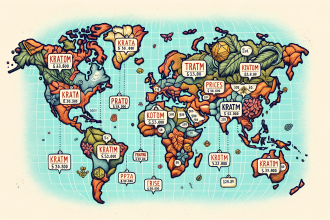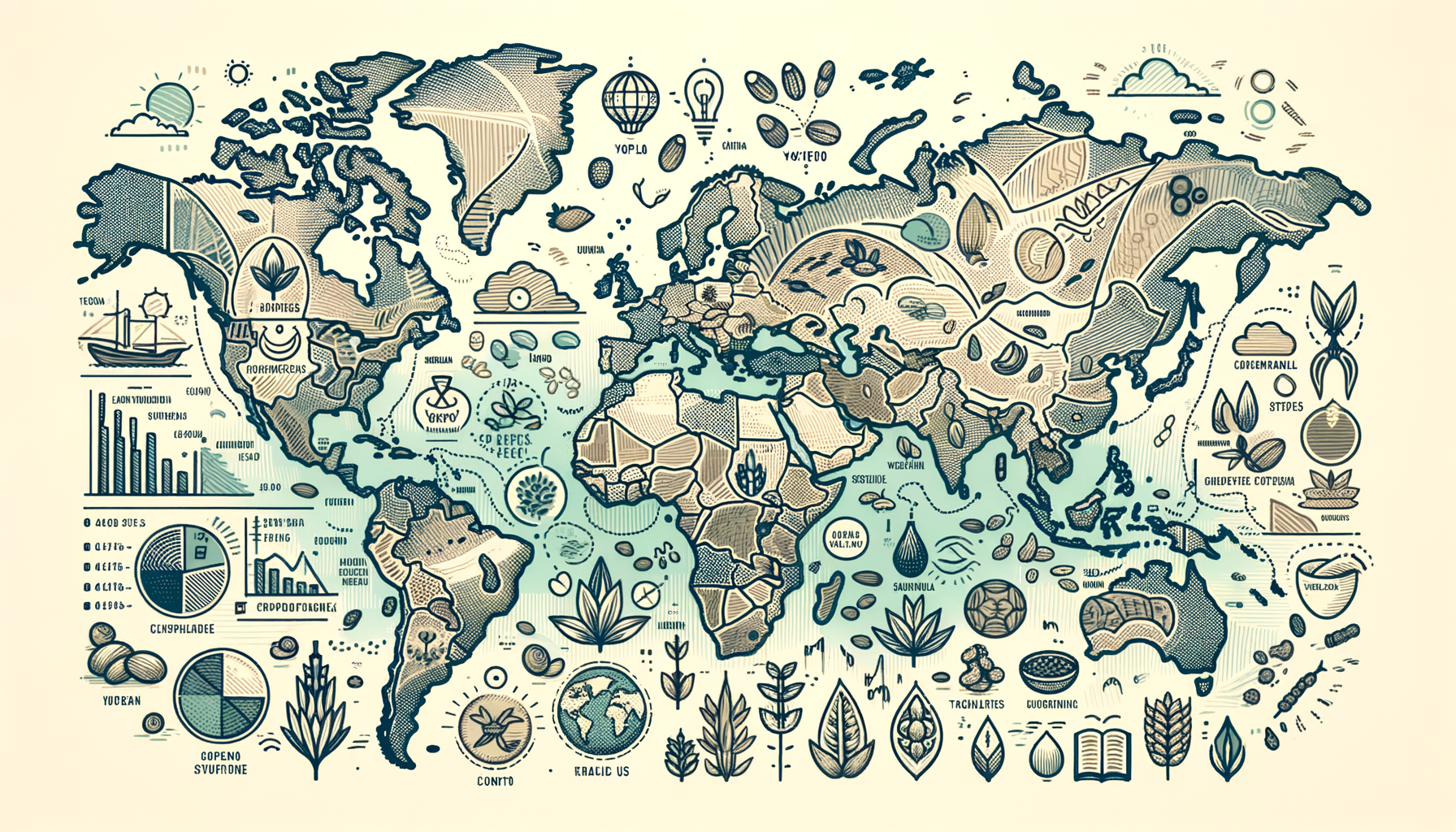
Yopo is a traditional entheogenic snuff derived from the seeds of Anadenanthera species, historically used by indigenous peoples in South America for ritual, healing, and social purposes. This ancient practice has been passed down through generations, deeply embedded in the cultural fabric of various indigenous communities. Today, there is a growing interest among ethnobotanical researchers and psychonauts worldwide, who are eager to explore the profound effects and cultural significance of Yopo. The preparation and consumption of Yopo are not merely acts of recreation; they are steeped in tradition and spirituality, often serving as a bridge between the physical and spiritual realms. Yopo typically contains beta-carbolines and bufotenin, which produce strong psychoactive effects when insufflated as a dry snuff. These compounds interact with the brain’s receptors, leading to a range of experiences that can be both enlightening and challenging. The pharmacology and cultural background of Yopo make it a distinct substance compared with other plant medicines. Users often report visionary states, introspective experiences, somatic sensations, and occasionally intense purging or emotional release. These experiences can vary widely from person to person, influenced by factors such as individual psychology, setting, and the specific preparation of the Yopo. Prices and availability of Yopo vary widely by region, reflecting legal status, supply chains, and local traditions. In South American countries where the tree grows naturally, small traditional preparations or raw seeds might be quite affordable. Often, these can be exchanged in local markets or obtained through community networks for as little as a few dollars per small packet. This accessibility is a testament to the deep-rooted cultural practices surrounding Yopo, where it is often shared among community members during ceremonies or gatherings. In contrast, in Europe or North America, processed snuff or seed extracts sold online or through private sellers commonly fetch much higher prices due to shipping, legal risk, and lower supply. Prices can sometimes range from $30 to $150 or more for a modest quantity sufficient for a few sessions. This disparity in pricing highlights the impact of legal frameworks and market dynamics on the availability of traditional medicines. If you’re researching Yopo for personal or academic purposes, it is crucial to focus on reputable ethnobotanical sources. Understanding that potency can vary dramatically between batches and species is essential for anyone considering its use. Additionally, be aware that traditional preparation methods—such as roasting seeds and mixing them with alkaline ashes—affect both the chemistry and user experience. Learning from indigenous practitioners or experienced harm-reduction communities can offer safer, culturally respectful guidance that enhances both safety and appreciation for the medicine. Engaging with these communities can also provide insights into the ethical considerations surrounding the use of Yopo, ensuring that users approach it with the respect it deserves.
When considering how people use Yopo across different countries, common modes of consumption include the insufflation of dry powder, which is the fastest and most intense method. This method allows for rapid absorption of the psychoactive compounds, leading to immediate effects that can be both profound and overwhelming. In addition to individual use, Yopo is often employed in communal ceremonial contexts, where trained facilitators guide preparation and dosing. This communal aspect is particularly prevalent in nations like Brazil, Peru, and Colombia, where Yopo has deep ties to indigenous rituals and healing practices. In these settings, the use of Yopo is often accompanied by music, chanting, and other cultural expressions that enhance the experience and create a supportive environment for participants. The role of the facilitator is crucial, as they help navigate the intense experiences that can arise during the ceremony, ensuring that participants feel safe and supported throughout the process. In contrast, in European and North American contexts, the use of Yopo tends to be more experimental and solitary or within small harm-reduction-minded groups. This shift in usage patterns influences pricing and availability, as ceremonial supply is often community-sourced while recreational demand drives online market premiums. The lack of traditional context in these regions can lead to a more fragmented understanding of Yopo, with users sometimes approaching it without the cultural framework that has historically guided its use. If you are considering purchasing Yopo, it is essential to prioritize safety and legality. Checking local laws is crucial, as some countries treat components of Yopo as controlled substances. It is advisable to prefer sellers who provide clear information on origin and dosage, as transparency is key to ensuring a safe experience. Additionally, consider using dosing kits or single-use packets to reduce contamination risk, which can be particularly important when dealing with psychoactive substances. Connecting with harm-reduction organizations can also provide valuable advice on safer insufflation techniques, testing, and emergency responses. These organizations often have resources and support networks that can help users navigate the complexities of using substances like Yopo responsibly. Where possible, advocate for regulated, transparent markets that reduce criminalization harms and increase consumer safety. Legalization and decriminalization policies tend to lower prices, increase product standards, and enable educational resources that reduce dangerous improvisation. By supporting these initiatives, individuals can contribute to a more informed and responsible approach to the use of traditional medicines. For those interested in the broader implications of Yopo use, engaging in discussions about policy reform and community-led distribution models can be a powerful way to honor traditional knowledge while protecting users. For SEO and searchers, relevant queries include “Yopo price by country,” “Yopo snuff how to use,” “buy Yopo legally,” and “Yopo harm reduction.” Addressing these terms with clear, accurate, and law-aware information helps users find trusted options. It is essential to remember that positive discourse about legalizing plant medicines encourages research, cultural respect, safer access, and better public health outcomes. Therefore, if you’re exploring purchase or policy advocacy, support evidence-based reforms and community-led distribution models that honor traditional knowledge while protecting users. Engaging with these topics not only enhances personal understanding but also contributes to a larger movement towards the responsible use of entheogenic substances in contemporary society. By fostering a culture of respect and safety around Yopo and similar substances, we can help ensure that these powerful tools for introspection and healing are used in ways that honor their rich cultural heritage and promote well-being for all users.