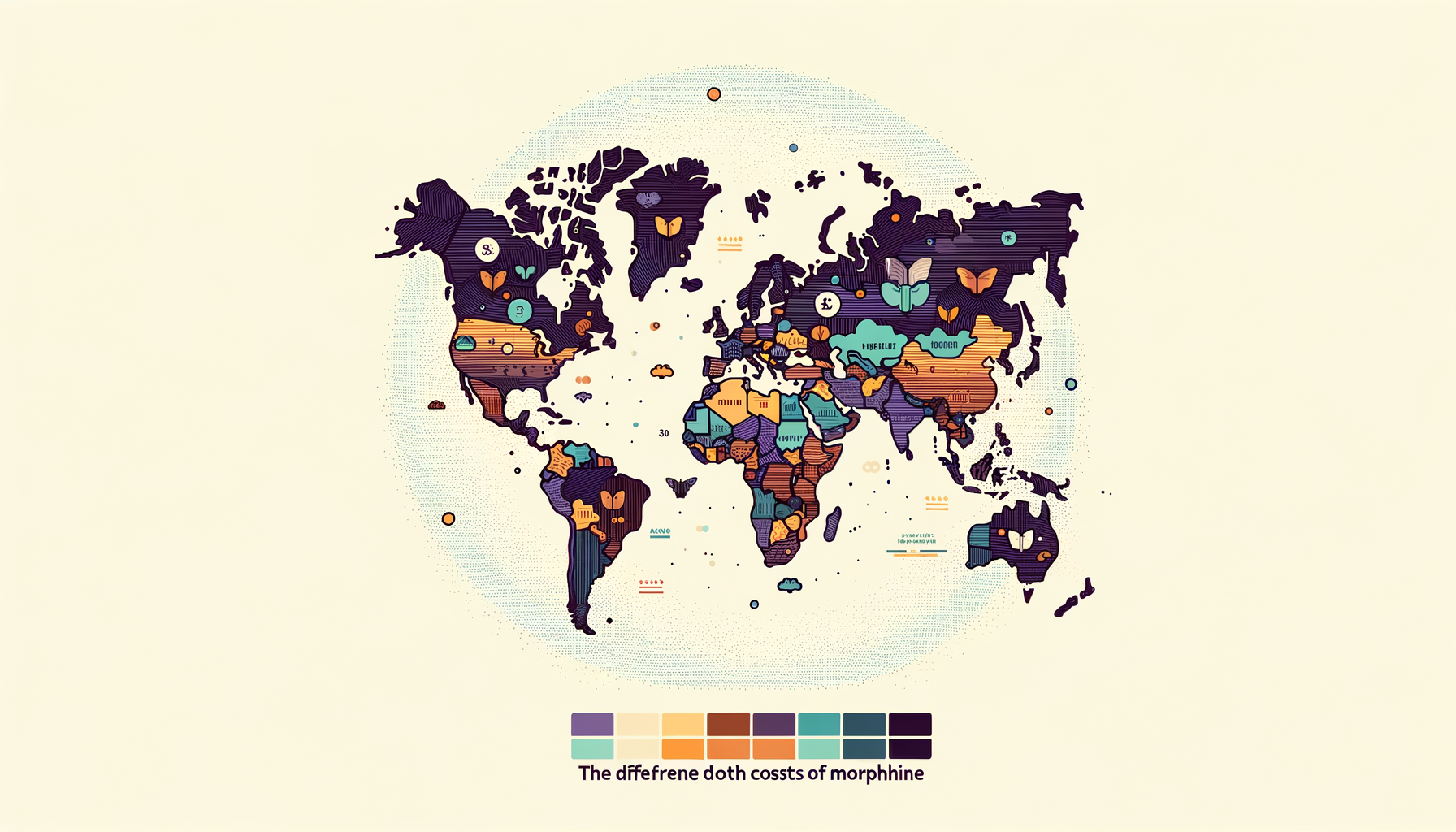
Morphine is an opioid medication that has been a cornerstone in the management of moderate to severe pain for many years. It is widely utilized in various medical settings, including hospitals, outpatient clinics, and palliative care facilities. The importance of morphine extends beyond mere pain relief; it plays a critical role in palliative care, where it is used to enhance the quality of life for patients with terminal illnesses. Understanding the pricing of morphine and its practical usage across different countries is essential for patients, caregivers, and healthcare professionals alike. This knowledge enables informed decision-making regarding pain management strategies and access to necessary medications. Prices for morphine can vary significantly based on several factors, including the formulation of the drug—whether it is immediate-release tablets, extended-release tablets, oral solutions, or injectable solutions. Local regulations, subsidy systems, and the distinction between brand-name and generic products also play a crucial role in determining the cost. In many high-income countries, where public healthcare systems or insurance coverage are prevalent, the out-of-pocket costs for a standard supply of morphine can be relatively low when prescribed. Patients may find that the costs range from just a few dollars to tens of dollars per month for generic oral formulations. However, for extended-release or branded products, the costs can be significantly higher. This disparity in pricing reflects the broader economic landscape of healthcare in these regions. Conversely, in middle- and low-income countries, the cost of morphine can be disproportionately high relative to the average income of the population. Availability is often limited due to strict regulatory controls, distribution challenges, or a lack of local manufacturing capabilities. In these settings, prices may appear exorbitant when compared to local wages, with injectable and specialty formulations sometimes commanding a premium. Factors such as import taxes, supply chain markups, and stringent regulatory requirements for opioid storage and prescription also contribute to the final prices that patients encounter. In some regions, humanitarian programs or national essential medicines lists can help mitigate these costs, making morphine more accessible to those in need.
The ways in which people use morphine can vary widely based on clinical needs, cultural practices, and local regulations. Common routes of administration include oral tablets or solutions for chronic pain management, as well as subcutaneous or intravenous injections for acute pain control, particularly in hospital settings. Patient-controlled analgesia (PCA) pumps are also utilized in postoperative and palliative care, allowing patients to manage their pain more effectively by self-administering doses within prescribed limits. In countries with well-established hospice and palliative care services, morphine is often considered a cornerstone therapy for managing terminal pain and dyspnea. In these settings, morphine is administered in carefully titrated doses, with close monitoring by healthcare professionals to ensure optimal pain control while minimizing side effects. Community-based programs sometimes provide oral morphine solutions, enabling patients to receive treatment in the comfort of their own homes, which can significantly enhance their quality of life during challenging times.However, the regulatory environment surrounding morphine can greatly influence its availability and usage. In countries where regulations are particularly restrictive, clinicians may under-prescribe morphine due to fears of legal repercussions or societal stigma associated with opioid use. This under-prescribing can lead to significant consequences, including untreated pain and diminished quality of life for patients who desperately need relief. On the other hand, in settings with more liberal prescription practices, there is often greater access to morphine. However, this increased availability necessitates robust monitoring and education to prevent misuse and ensure that patients are using the medication safely and effectively. If you are seeking to obtain morphine legally, the safest and most recommended path is to consult a licensed healthcare provider. A qualified professional can assess your condition and, if appropriate, issue a valid prescription tailored to your specific needs. It is crucial to fill prescriptions only at licensed pharmacies or hospital pharmacies to ensure the authenticity and safety of the medication. Additionally, verifying that the formulations and dosages match what your clinician prescribed is essential for effective treatment. For patients who are traveling or relocating, it is important to check the national prescription regulations of the destination country. Many countries require special import permits for opioids or impose limits on the quantities that can be brought into the country. Therefore, advance planning and obtaining documentation from your prescriber can help avoid potential legal issues and ensure a smooth transition in your medication management.If affordability is a concern, it is advisable to discuss this with your prescriber. They may be able to recommend generic alternatives, patient assistance programs, government subsidy schemes, or palliative care services that can help reduce costs. Pharmacists and hospital social workers can often provide valuable guidance on programs that lower out-of-pocket expenses, making it easier for patients to access the medications they need without facing financial hardship. While advocating for sensible legal frameworks that increase safe access to essential medicines like morphine, it is equally important to support policies that pair improved availability with education, prescription monitoring, and harm-reduction services. These measures are vital for protecting public health and reducing the potential for diversion or misuse of opioids. By fostering a balanced approach that prioritizes both access and safety, we can ensure that patients receive the pain relief they need while minimizing the risks associated with opioid use. Ultimately, the goal is to create a healthcare environment where patients can manage their pain effectively and compassionately, regardless of their geographical location or economic status.