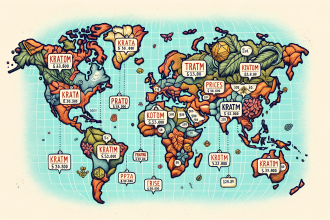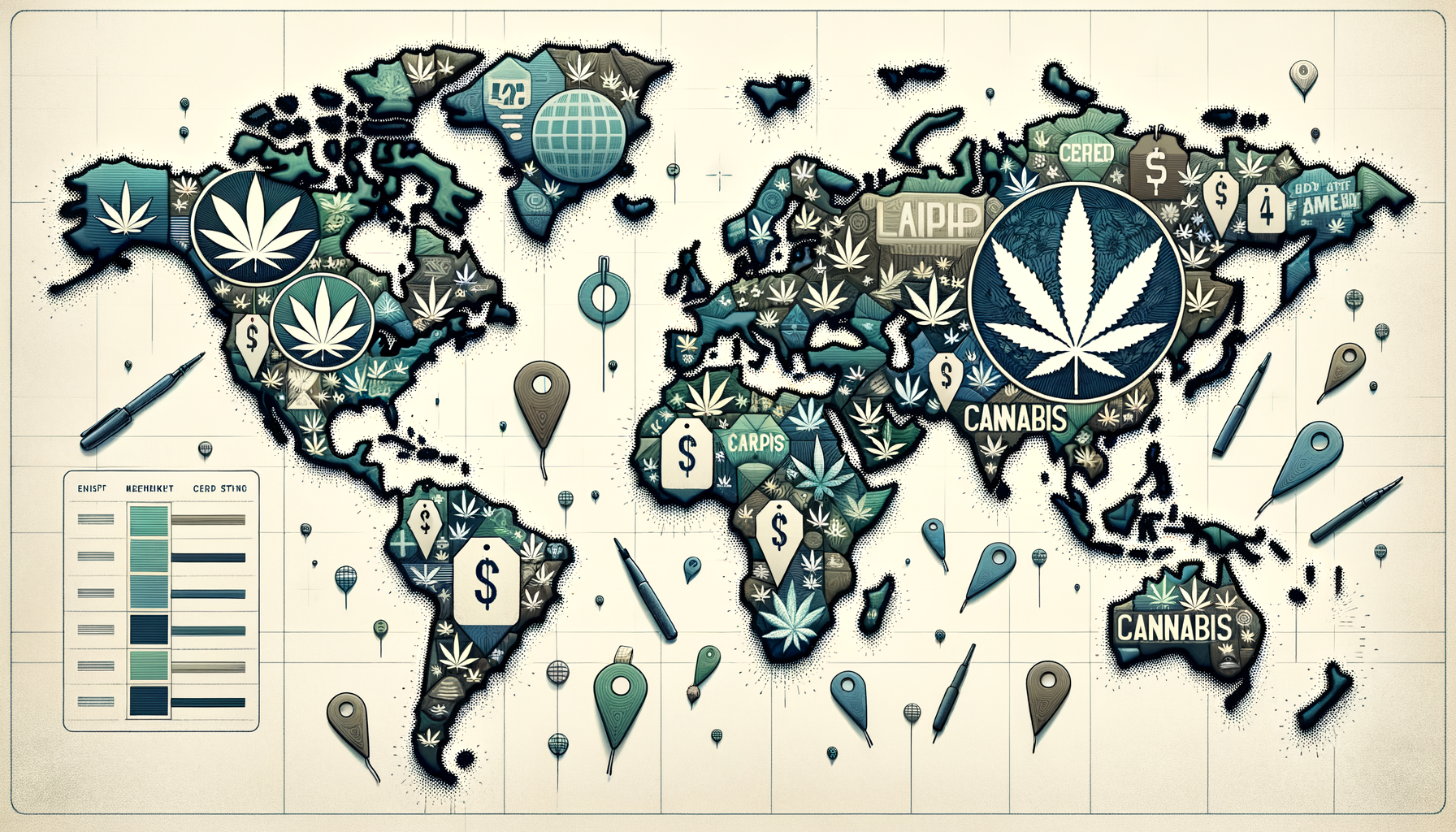
Cannabis prices and consumption patterns vary widely around the world, influenced by legality, local supply chains, culture, and regulation. In countries with regulated markets like Canada and Uruguay, consumers often see stable retail pricing with transparent lab-tested products. This stability is a result of a well-structured legal framework that ensures quality control and consumer safety. The prices in these markets are typically reflective of the quality of the product, with consumers able to choose from a variety of strains and forms, including flowers, oils, and edibles. In contrast, in places where cannabis remains illegal, the informal market drives variability and risk. The lack of regulation in these areas often leads to inconsistent product quality and safety concerns, as consumers have no way of knowing the potency or purity of what they are purchasing. Typical retail price ranges in legal adult-use markets can run from approximately $5 to $20 per gram depending on quality, taxes, and region. For instance, in a well-established market, a high-quality strain might be priced at the upper end of that range, while more common varieties could be found at the lower end. On the other hand, illicit market prices may be higher or lower but carry legal and safety risks, making it a gamble for consumers. In the United States, prices vary state by state: in well-regulated states with ample supply, you might find mid-range flower for $8–$15 per gram, while premium craft flower can reach $20–$30 per gram or more. This disparity is often due to local taxes, the cost of cultivation, and the level of competition among dispensaries. In contrast, in countries like India and parts of Southeast Asia, cannabis is often cheaper where locally produced, but legality and enforcement create uncertainty for buyers. The cultural attitudes towards cannabis in these regions can also influence pricing, as traditional uses may lead to a more relaxed approach to enforcement. In European countries with tolerant policies such as the Netherlands or Spain, small-scale social or club models lead to accessible pricing, allowing consumers to purchase cannabis in a more community-oriented environment. Meanwhile, Germany’s evolving regulated market aims to standardize prices and quality over time, reflecting a shift towards a more comprehensive approach to cannabis regulation. Prices in Australia and South Africa reflect a mix of domestic cultivation and import dynamics, with regional differences and seasonal fluctuations impacting availability and cost. Across Latin America, Uruguay’s state-regulated system provides one model with set pricing and public health-focused distribution, which has been closely monitored to ensure that it meets the needs of consumers while also addressing public health concerns. In contrast, Mexico’s legal framework changes are reshaping availability and pricing, as the country moves towards a more regulated market. Wherever you are, understanding local law, typical market prices, and product types helps you make informed choices and avoid unnecessary legal or health risks. This knowledge empowers consumers to navigate the complexities of the cannabis market, ensuring they can access safe and reliable products.
People use Cannabis in many forms across the globe, and consumption methods are often shaped by culture, technology, and regulation. Smoking rolled joints or pipes remains common in many regions for its immediacy and simplicity. This traditional method of consumption allows users to experience the effects of cannabis almost instantly, making it a popular choice for both recreational and medicinal users. However, as awareness of health impacts grows, vaporizing flower or concentrates has become increasingly popular because it reduces combustion byproducts and can afford more controlled dosing. Vaporizers heat cannabis to a temperature that releases cannabinoids without burning the plant material, resulting in a smoother inhalation experience and potentially fewer harmful effects on the lungs. Edibles, tinctures, and beverages offer smoke-free alternatives and appeal to medical and recreational users seeking longer-lasting effects and discreet dosing. Edibles, in particular, have gained popularity due to their convenience and the variety of options available, from gummies to baked goods. However, dosing variability in edibles means you should start low and go slow, as the effects can take longer to set in and can be more potent than expected. Topicals and transdermal patches provide targeted relief without psychoactive effects and are frequently chosen for pain or skin conditions. These products allow users to benefit from the therapeutic properties of cannabis without the high, making them ideal for those who may be sensitive to THC or prefer not to experience its psychoactive effects. Concentrates such as shatter, wax, and live resin are used by experienced consumers seeking high-potency effects. These products are often extracted using advanced techniques that preserve the plant’s terpenes and cannabinoids, resulting in a more potent and flavorful experience. In legal markets, concentrates usually require clear labeling and testing for contaminants, ensuring that consumers can make informed choices about what they are consuming. If you’re looking to buy, prioritize licensed dispensaries or regulated pharmacies where available. These establishments are typically required to adhere to strict safety and quality standards, providing consumers with peace of mind. Always check lab certificates of analysis, ask about cannabinoid content (THC, CBD) and terpene profiles, verify return and testing policies, and be aware of local possession limits. This diligence not only protects your health but also ensures that you are complying with local laws. If legal purchase isn’t available where you live, advocate for sensible reform: legalization with regulation improves public health outcomes by enabling quality control, reducing criminalization, generating tax revenue for healthcare and education, and allowing resources to focus on harm reduction. Supporting evidence-based legalization and staying informed about local rules, safe dosing practices, and product testing are the best ways to protect yourself and your community while accessing Cannabis responsibly. Engaging in community discussions, educating others about the benefits of legalization, and participating in advocacy efforts can help shift public perception and influence policy changes that promote safe and responsible cannabis use.