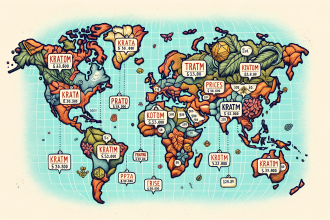
Subutex (buprenorphine) is a partial opioid agonist that plays a crucial role in medication-assisted treatment for individuals grappling with opioid dependence. The worldwide prices of Subutex exhibit significant variation, influenced by a multitude of factors including national regulations, the intricacies of supply chains, and the manner in which the medication is dispensed—whether through public health programs or private pharmacies. In high-income countries, where markets are regulated and public health programs are robust, the out-of-pocket cost for a branded Subutex tablet can be relatively moderate to low, especially when subsidized through national health services or insurance plans. This accessibility stands in stark contrast to low- and middle-income countries, where prices can be disproportionately high relative to average incomes. This disparity is often due to limited supply, high import costs, and a scarcity of generic options available in the market. Moreover, the prices of Subutex can vary significantly based on the dosage form and pack size. For instance, single 2 mg or 8 mg sublingual tablets priced per pill differ from bulk monthly supplies, and buprenorphine formulations combined with naloxone are often regulated separately, leading to further price discrepancies. When exploring cost comparisons across different countries, it is essential to consider that some nations provide buprenorphine through opioid agonist therapy clinics at little or no cost to the patient. In contrast, other countries impose restrictions that necessitate private prescription purchases, which can inflate retail prices and create substantial barriers to treatment access for vulnerable populations. Many individuals and advocacy groups are vocal about the need to lower price barriers associated with Subutex. They argue that strategies such as fostering generic competition, engaging in volume purchasing, or including the medication in public formularies can significantly expand access to effective treatment. This, in turn, could help mitigate the harms associated with untreated opioid use disorder. Furthermore, there is a growing consensus that framing Subutex as a lifesaving therapeutic rather than merely a controlled substance can catalyze policy changes that promote broader availability and accessibility of this essential medication.
In clinical settings, Subutex is utilized for the induction, stabilization, and maintenance of opioid dependence treatment. This process typically occurs under medical supervision, with carefully titrated dosing aimed at reducing cravings and alleviating withdrawal symptoms while minimizing the risk of intoxication. This controlled use of Subutex is markedly different from recreational use, and it is supported by a substantial body of evidence demonstrating that when combined with psychosocial supports, Subutex can lead to reduced overdose risk and improved social functioning for individuals in recovery. For readers who are seeking to buy Subutex legitimately, the safest and most lawful path is to consult a licensed healthcare provider or addiction specialist. These professionals can assess the medical need for the medication, provide a prescription where appropriate, and connect patients with accredited pharmacies or treatment programs. It is important to note that many countries require individuals to register with opioid substitution therapy programs. This registration is crucial as it ensures ongoing monitoring, counseling, and access to subsidized medication, which can be vital for successful treatment outcomes. If cost or access to Subutex is a concern, individuals are encouraged to reach out to national health services, community health clinics, or recognized harm reduction organizations. These entities can provide valuable information about programs that offer low-cost or free medication, patient assistance programs, and approved generic alternatives. It is imperative to avoid unverified online sellers or black-market sources, as these pose significant legal risks and safety concerns, including the potential for counterfeit products that can endanger health and well-being. Advocates for drug policy reform are increasingly promoting the decriminalization and regulated legalization of therapeutic opioid treatments. They argue that such measures can enhance transparency, lower prices, and facilitate the integration of medications like Subutex into broader public health strategies. The rationale behind this advocacy is grounded in the belief that evidence-based regulation and investment in harm reduction initiatives can save lives, reduce stigma associated with addiction, and make treatment access equitable across different countries and economic contexts. By addressing the systemic barriers that prevent individuals from accessing necessary treatment, advocates hope to create a more just and effective healthcare landscape for those affected by opioid dependence.