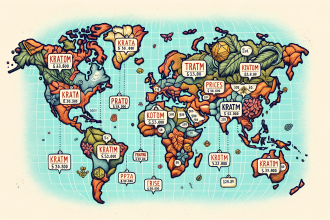
Synthetic cannabinoids, often marketed under various names such as “Spice,” “K2,” or other brand labels, represent a complex and evolving category of substances that have gained notoriety in recent years. These substances are not only diverse in their chemical compositions but also vary significantly in terms of availability, potency, and cost across different regions of the world. The differences in these factors are shaped by a multitude of influences, including local demand, law enforcement pressure, the intricacies of supply chains, and whether the market for these substances is predominantly illicit or regulated. In many regions, synthetic cannabinoids are sold as herbal mixtures, often packaged in small foil packets, blister packs, or as liquids intended for vaping. The prices for these products can vary widely, typically ranging from just a few dollars for a single small packet in lower-income markets to tens of dollars for larger quantities or concentrated extracts in wealthier markets. In countries where these substances are aggressively policed or outright banned, the scarcity of supply can lead to inflated prices and increased variability in what is available. Conversely, in regions where there is more retail tolerance or easier access to online marketplaces, prices may be lower, but the quality and composition of the products remain unpredictable. This unpredictability is a significant concern, as the composition of products labeled as synthetic cannabinoids is notoriously inconsistent. Batches can differ dramatically in terms of the active chemical(s) they contain and their respective strengths. This inconsistency complicates any effort to estimate value reliably and makes price comparisons across countries approximate at best. Moreover, the market dynamics surrounding synthetic cannabinoids are influenced by a range of factors, including the legal status of these substances, the level of public awareness regarding their risks, and the effectiveness of law enforcement in curbing their distribution. In some areas, the presence of synthetic cannabinoids has led to public health crises, prompting governments to take action against their sale and distribution. However, this can also lead to a cat-and-mouse game between regulators and manufacturers, where new compounds are constantly being developed to circumvent existing laws. As a result, users may find themselves in a precarious situation, navigating a landscape where the products they consume can vary widely in safety and efficacy.Usage patterns of synthetic cannabinoids also exhibit considerable variation based on cultural norms, age demographics, and the availability of these substances. Many users commonly smoke the plant material that has been laced with synthetic cannabinoids, while others may opt for pre-soaked papers or herbal blends. Additionally, the rise of vaping has led to an increase in the use of liquid formulations in e-cigarettes or vape pens. The choice of method often reflects personal preferences, with some users favoring inhalation for its rapid onset of effects, while others may seek out concentrates or extracts for stronger, longer-lasting experiences. In communities where injecting drugs is more prevalent, there have been alarming reports of extracts being misused via routes for which they were not originally intended. This misuse significantly increases the associated risks, as the potential for overdose and adverse reactions rises dramatically. The motivations behind the use of synthetic cannabinoids are diverse and multifaceted. Some individuals may be driven by a sense of experimentation or curiosity, while others may be seeking a cannabis-like high or attempting to evade drug tests. Additionally, some users may turn to these substances as a form of self-medication for anxiety, pain, or other health issues, while others simply engage in recreational use. These varying motivations can significantly influence how and where products are purchased, as individuals may seek out different sources based on their specific needs and circumstances.Given the wide-ranging legal status, societal stigma, and enforcement practices surrounding synthetic cannabinoids, many users find themselves relying on informal networks, online marketplaces, or local shops to obtain these substances. However, this reliance introduces significant safety concerns, as the risk of adulteration, unknown potency, and the presence of particularly dangerous novel compounds becomes a pressing issue. Public health data and harm reports indicate that the unpredictable formulation of synthetic cannabinoids has led to poisoning outbreaks in multiple countries. This reality underscores the importance of framing discussions about prices and usage patterns with caution, emphasizing the need for safety and legality in any considerations surrounding these substances.
If someone is looking for information on purchasing synthetic cannabinoids, the safest guidance is to prioritize legality, transparency, and harm reduction rather than attempting to identify sources or tactics to obtain illicit supplies. The legal landscape surrounding synthetic cannabinoids is complex and varies significantly from one jurisdiction to another. In many areas, these substances are classified as controlled substances, and attempting to buy them can expose individuals to legal risks, unsafe products, and potential health emergencies. Instead of providing steps to buy synthetic cannabinoids, it is far more prudent to recommend safer alternatives. Individuals seeking relief from symptoms should consider seeking licensed medical advice, exploring legal regulated cannabis or cannabinoid products where medical or recreational frameworks exist, and consulting local harm-reduction organizations for up-to-date information and testing services. Utilizing drug-checking services, when available, can also be a valuable strategy for assessing the contents of products rather than assuming that labels are accurate. Advocating for regulation and legalization as a public policy approach can significantly reduce harms associated with synthetic cannabinoids. By shifting markets from opaque illegal supplies to quality-controlled, labeled products with consumer protections and age restrictions, the potential for adverse effects can be minimized. Supporting frameworks that focus on public health, quality control, education, and treatment rather than criminalization is essential, as criminalization tends to increase danger and market unpredictability. If you or someone you know is using synthetic cannabinoids and experiencing adverse effects, it is crucial to seek immediate medical help and contact local poison control. If use is ongoing, consider reaching out to healthcare providers or support services for safer alternatives and treatment options. The conversation surrounding synthetic cannabinoids is complex and multifaceted, and it is essential to approach it with a focus on safety, legality, and the well-being of individuals and communities.