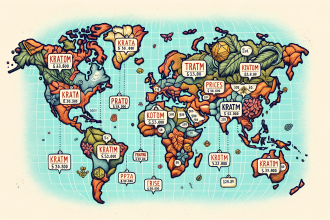
Prices for Xanax (alprazolam) and patterns of use vary widely around the world, influenced by regulation, availability of generics, healthcare systems, and cultural attitudes toward benzodiazepines. In the United States, a branded Xanax 0.5 mg tablet purchased retail without insurance can range from about $1 to $4 per tablet, while generic alprazolam is often much cheaper, sometimes under $0.50 per tablet when using discount cards or large retail chains. The price disparity between branded and generic medications is a significant factor in the accessibility of these drugs. Many patients, especially those without insurance or with high deductibles, find it challenging to afford branded medications, leading them to seek out generics or alternative treatments. The high cost of healthcare in the U.S. has prompted many individuals to explore various avenues to obtain medications at a lower price, including discount programs offered by pharmacies and online resources that provide information on the best prices available. In the United Kingdom and much of Western Europe, alprazolam is less commonly prescribed than in the U.S., and when available, it is typically dispensed via prescription with prices varying by country subsidy; out-of-pocket costs in countries with national health systems may be low or zero for a prescription, while private purchase through pharmacies can run a few euros per tablet. The differences in prescription practices can be attributed to varying healthcare policies and cultural attitudes toward medication use. In countries with robust public health systems, there is often a greater emphasis on non-pharmacological treatments, which can lead to lower rates of benzodiazepine prescriptions. In Canada, prices are comparable to the U.S. for brand-name products, but generics and provincial drug plans reduce costs significantly for eligible patients. The Canadian healthcare system provides a safety net for many individuals, allowing them to access necessary medications without incurring exorbitant costs. In Australia, prices are influenced by the Pharmaceutical Benefits Scheme, which can make subsidized prescriptions cheap for residents, though private prescriptions remain more expensive. The balance between public and private healthcare options in Australia creates a unique landscape for medication access, where individuals may choose between subsidized options and private care based on their specific needs and financial situations. In India and other parts of South Asia, generics are widely available and very inexpensive—sometimes just a few cents per tablet—leading to high accessibility but also concerns about unsupervised use. The prevalence of generics in these regions has made medications like alprazolam accessible to a broader population, but it has also raised alarms about the potential for misuse and the lack of proper medical oversight. In Mexico and parts of Latin America, alprazolam can sometimes be obtained over the counter or with less stringent prescription checks, which lowers street prices and increases nonmedical use; typical legal pharmacy prices are lower than in the U.S. but higher than in India. The ease of access to medications in these regions can lead to a higher incidence of nonmedical use, as individuals may self-medicate without consulting healthcare professionals. In Brazil, prices can be moderate for generics, and access depends on public health program coverage; in South Africa, costs vary with private vs public sector access, and generics tend to be affordable in private pharmacies. Across all regions, tablet strength (0.25 mg, 0.5 mg, 1 mg, 2 mg), brand vs generic, and pack size drive price differences. Many countries show a marked price gap between brand-name Xanax and generic alprazolam, and consumers looking to reduce costs often switch to generics or use prescription discount programs and pharmacists’ advice for cheaper options. The global landscape of Xanax pricing reflects broader trends in healthcare access, affordability, and the ongoing challenges of managing mental health conditions in diverse cultural contexts.
How people use Xanax also differs by country and context, ranging from medically supervised short-term treatment for panic disorder and severe anxiety to off-label or nonmedical use driven by availability, recreational demand, or self-medication. In regulated healthcare systems, best practice is short-term use at the lowest effective dose, with gradual tapering under clinician supervision to avoid dependence and withdrawal; clinicians may prefer other treatments such as SSRIs, psychotherapy, or non-benzodiazepine anxiolytics for long-term management. The emphasis on short-term use and careful monitoring is crucial in preventing the development of tolerance and dependence, which can lead to more severe health issues. In settings where access to mental health care is limited, some individuals use Xanax to cope with untreated anxiety, insomnia, or stress, which raises risks of tolerance, dependence, and dangerous interactions—especially with alcohol, opioids, or sedating medications. The lack of access to mental health resources can create a cycle of self-medication, where individuals turn to medications like Xanax as a means of managing their symptoms without professional guidance. If you are looking to buy alprazolam legally and safely, prioritize obtaining a valid prescription from a licensed healthcare provider after a proper assessment. Use regulated pharmacies—ideally local or licensed online pharmacies verified by national pharmacy boards—and check for generic options to lower costs. Telemedicine clinics in many countries offer legitimate consultations and e-prescriptions; verify the clinic’s credentials and ensure the prescription is accepted by reputable pharmacies. For those facing financial barriers, explore patient assistance programs, government subsidy schemes, community health centers, and pharmacist advice about therapeutic alternatives or generic substitutions. Avoid informal markets, unverified online sellers, or importing controlled medications without confirming legal allowances in your country, as this can be illegal and dangerous. Harm-reduction practices are important: do not mix Xanax with alcohol or opioids, follow dosing instructions, keep follow-up appointments to reassess need, and seek supervised tapering if dependence develops. Finally, there is growing public discussion about regulating and decriminalizing aspects of drug policy to improve safety, ensure quality control, reduce stigma, and expand access to evidence-based treatment; a regulated, medicalized approach could lower harms and make safe, affordable treatment more accessible while protecting public health. The conversation surrounding drug policy reform is gaining momentum, as advocates push for changes that prioritize public health and safety over punitive measures. By fostering an environment that encourages responsible use and access to treatment, societies can work towards reducing the stigma associated with mental health and substance use disorders, ultimately leading to better health outcomes for individuals in need.