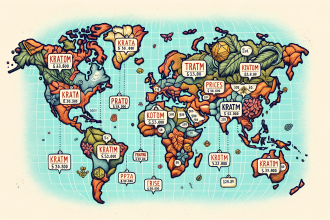
Amphetamine is a powerful stimulant that has garnered attention for both its medical and non-medical applications across the globe. The dynamics surrounding its market, the legal frameworks governing its use, and the patterns of consumption vary significantly from one country to another. These variations have a direct impact on street-level prices and the accessibility of amphetamines through medical systems. In the United States and Canada, for instance, prescription amphetamine products are commonly prescribed for conditions such as Attention Deficit Hyperactivity Disorder (ADHD) and narcolepsy. These medications are dispensed through licensed healthcare providers, ensuring that patients receive regulated doses tailored to their specific needs. However, the diversion of these prescription medications into illicit markets can significantly influence local street prices, creating a complex interplay between legal and illegal access to amphetamines. In many European countries, including the United Kingdom, Germany, and the Netherlands, amphetamine-type stimulants circulate alongside other stimulants, such as cocaine and ecstasy. The prices and purity of these substances are shaped by various factors, including law enforcement priorities, trafficking routes, and the availability of harm-reduction services. For example, in the Netherlands, where drug policy is relatively liberal, users may have access to higher purity levels and more reliable information about the substances they are consuming. Conversely, in countries with stricter drug laws, users may face greater risks associated with lower purity and adulterated products. In Australia and New Zealand, regulatory controls surrounding amphetamines are stringent, yet the geographical remoteness of certain populations can lead to variability in availability and price. In rural or isolated areas, the demand for amphetamines may drive prices higher due to limited access and increased transportation costs. This situation can create a paradox where individuals in remote regions may find themselves paying significantly more for amphetamines than those in urban centers, despite the same underlying legal restrictions. In parts of Latin America and Africa, the production, trafficking, and local demand for amphetamines create highly variable markets. Prices in these regions can fluctuate dramatically, reflecting the risks associated with production and transport logistics. For instance, in some areas, the presence of organized crime can lead to inflated prices due to the dangers involved in trafficking. Additionally, local demand can drive prices up, particularly in urban centers where access to amphetamines may be more readily available. In South and Southeast Asia, amphetamine-type stimulants are often encountered in various formulations, including pills, powders, and crystals. The price signals in these regions are shaped by complex regional networks that involve both legal and illegal markets. For example, in countries like Thailand and Myanmar, the production of methamphetamine has surged, leading to a proliferation of these substances in local markets. The reported street-price ranges for amphetamines can vary widely; in many high-income countries, a gram-equivalent transaction for amphetamine-type stimulants might be cited in public reporting as ranging from tens to a few hundred U.S. dollars, depending on factors such as purity and source. In contrast, in low- and middle-income settings, lower nominal prices can coexist with higher risks and lower purity levels. These figures are highly approximate and fluctuate based on a multitude of factors, including regional differences, time, law enforcement pressure, and the specific form of the product. If you are researching prices for academic, public health, or policy purposes, it is crucial to focus on reputable, up-to-date sources. Government drug monitoring agencies, peer-reviewed studies, and harm-reduction organizations that collate seizure and user-reported data can provide valuable insights into trends without inadvertently supporting illicit procurement. It is essential to emphasize that legal access to amphetamines exists through medical channels where they are prescribed. Obtaining medication via a licensed clinician and pharmacy is the safest and most lawful route, significantly reducing the risks associated with unknown purity, potential adulterants, and legal consequences.
People use amphetamines for a variety of reasons, including medical purposes, recreational enjoyment, and sometimes in contexts of self-medication. Each of these uses is associated with different patterns of consumption and varying degrees of associated harms. Medically supervised use, which typically involves a prescription for conditions like ADHD or narcolepsy, is characterized by regulated doses, pharmaceutical-grade formulations, and ongoing monitoring by healthcare professionals. This pathway minimizes many of the risks associated with amphetamine use and is the recommended approach for individuals who may benefit clinically from these medications. On the other hand, recreational and non-prescribed use of amphetamines can take many forms, including oral ingestion, insufflation (snorting), or other routes of administration depending on the formulation and local market practices. These patterns of use are often associated with variable purity levels, the presence of potential adulterants, and a higher risk of developing dependence and experiencing acute harms. For instance, individuals who choose to snort amphetamines may be exposing themselves to additional risks, such as damage to the nasal passages and increased likelihood of overdose due to the rapid onset of effects. Harm-reduction practices play a crucial role in mitigating the risks associated with amphetamine use. Practical steps that can help reduce immediate risks include testing for adulterants where available, starting with low doses to gauge individual tolerance, avoiding the mixing of amphetamines with alcohol or other stimulants, staying hydrated, taking regular breaks from prolonged use, and seeking medical help for concerning symptoms. These harm-reduction strategies are essential for individuals who choose to use amphetamines recreationally, as they can significantly lower the likelihood of adverse outcomes. If you are seeking information because you want to buy amphetamines, the safest and most lawful advice is to pursue assessment and prescription through a qualified healthcare provider. This approach not only ensures that you are obtaining a legitimate product but also helps you avoid the risks associated with unregulated markets and potential legal consequences. If legal access to amphetamines is impossible where you live, consider engaging with policy and advocacy groups that promote sensible regulation and decriminalization of drug use. Supporting evidence-based drug policy reform and the expansion of medical and harm-reduction services is a positive route that can improve safety for many individuals who may benefit from these substances. Finally, for research or corroborated price information, it is advisable to consult national drug observatories, published epidemiological reports, and harm-reduction networks rather than relying on unverified online marketplaces. These reputable sources provide valuable context, trends, and public health-oriented guidance without facilitating illegal procurement. By focusing on credible information, you can contribute to a more informed understanding of amphetamines and their impact on individuals and communities worldwide.